A political post on social media platform X (formerly Twitter) has begged attention over recent changes in medical education norms, with concerns about their implications for both patient care and doctor training in India.
In the post shared by Indian National Congress, it was highlighted that the National Medical Commission under its UGMSR 2023 guidelines has removed Respiratory Medicine, TB and Chest departments from the list of mandatory requirements for new MBBS colleges.
The move, if interpreted in implementation terms, suggests that upcoming medical colleges may not be required to maintain a dedicated Respiratory Medicine department!
Respiratory Medicine has traditionally played a crucial role in both training and patient care. For MBBS students, exposure to diseases such as tuberculosis, asthma, and other infectious respiratory illnesses forms a core part of clinical learning. More importantly, in high burden countries like India, separate respiratory wards help ensure that highly contagious patients, particularly those with tuberculosis, and other highly contagious diseases like influenza, SARS VIRUS, COVID 19,are not managed in close proximity to general medicine patients, thereby reducing transmission risks.
Also, merging such specialised care into general medicine could increase patient load on already overburdened departments while compromising infection control practices. In overcrowded government hospitals, where bed availability is already a challenge, the absence of dedicated respiratory units could blur critical lines of segregation between infectious and non-infectious cases.
India continues to carry one of the highest burdens of Tuberculosis globally. Effective management requires not just medication but also structured systems of isolation, monitoring and trained specialists, i.e. closely tied network to the existence of dedicated departments in teaching hospitals. Not only this department and dedicated ward is essential, but are only way to combat and control such infections.
The question is why the government is even spending time around this no-brainer topics, rather focusing on other needs of the hour?
The decisions reflect a pattern where systemic issues affecting both doctors and patients are sidelined. Concerns around rising stress, burnout, and even suicides among resident doctors have been repeatedly flagged, yet tangible reforms on working conditions, duty hours, and mental health support seems to be seen nowhere. Nobody talkes about it! Why?
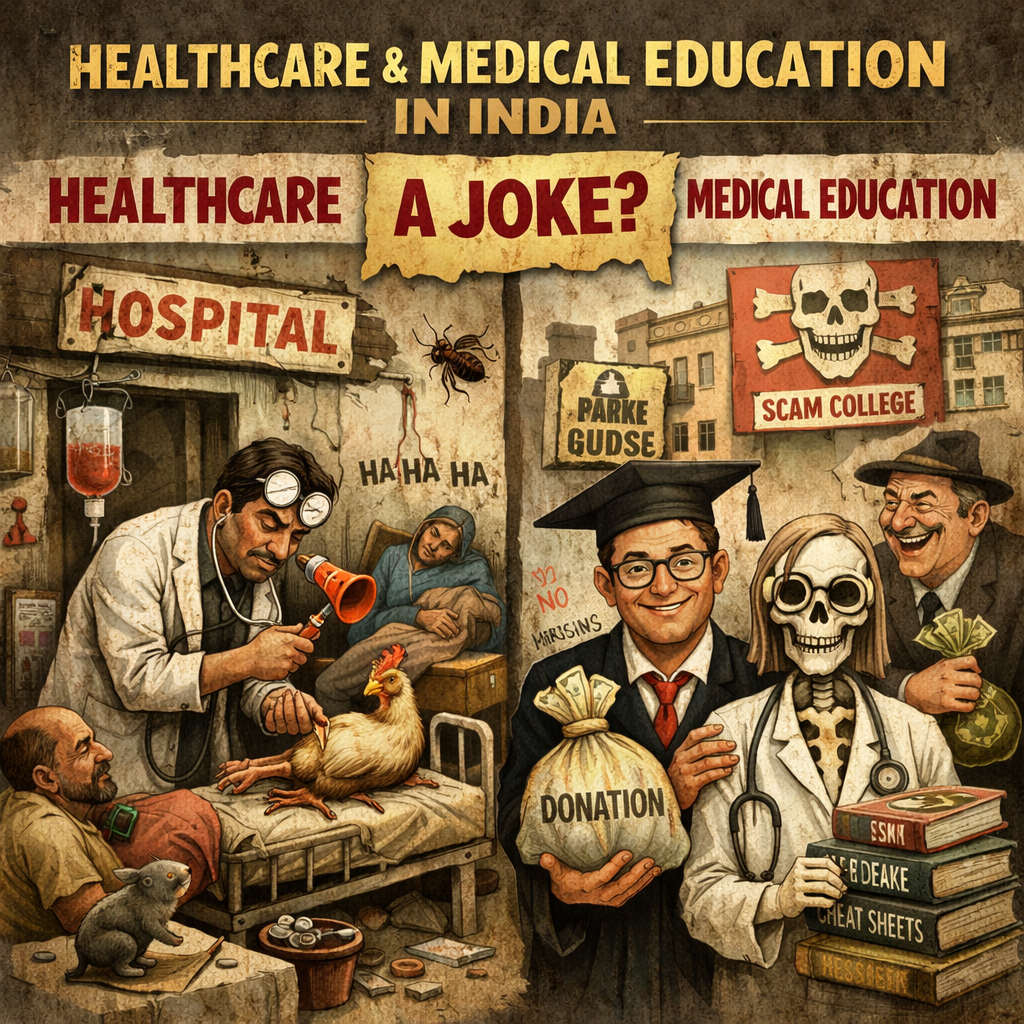
As discussions unfold, the larger question persists whether such policy shifts are aimed at streamlining medical education, or if they risk diluting essential clinical exposure in a country where disease burden demands the opposite.
Will the government keep raising stupid issues and decisions in the name of reforms for upcoming elections, while whole medical education system and health care goes down the drain?