A viral reel circulating on social media has once again brought the spotlight on alleged unethical practices within sections of private healthcare, reigniting concerns over: the growing commercialization of medicine.
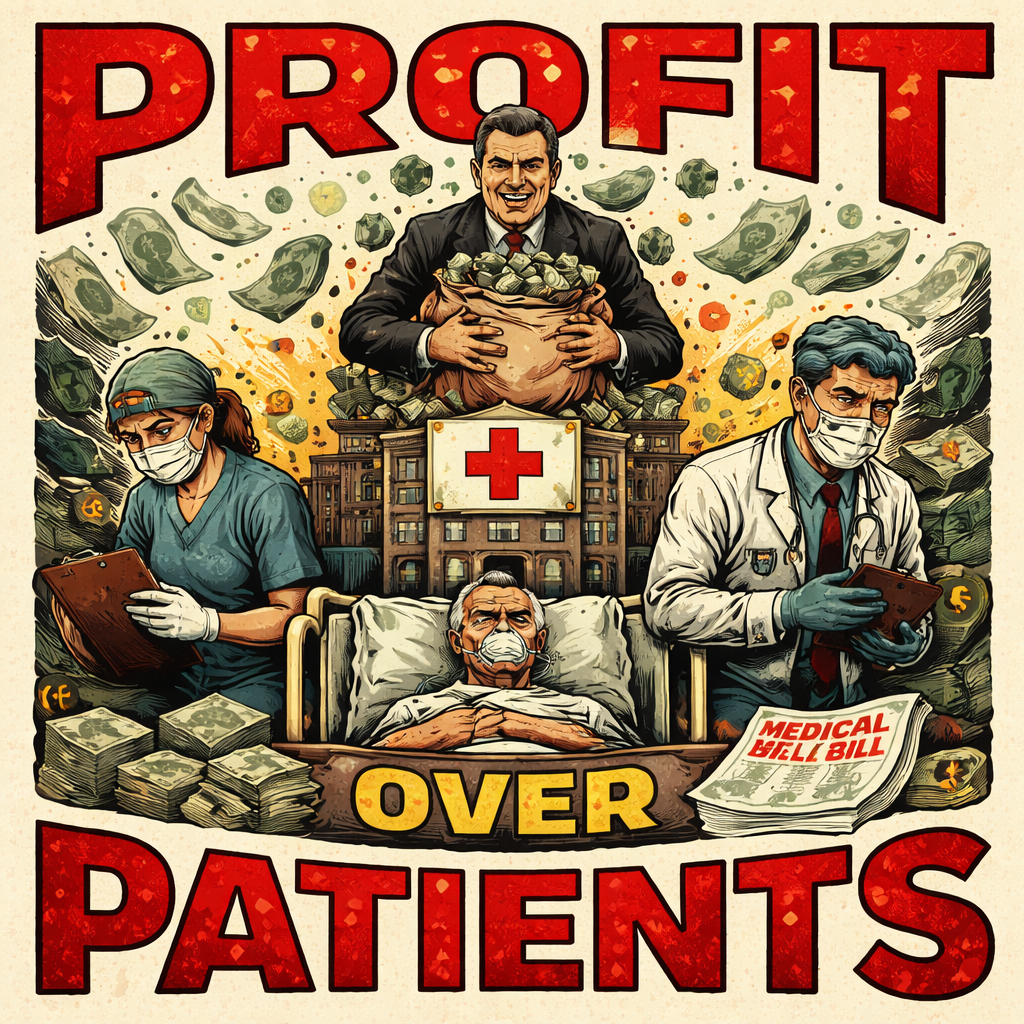
Reports suggest instances where patients are allegedly subjected to unnecessary admissions, inflated treatments, or even denied appropriate care, raising serious questions, whether profit is being prioritised over patient welfare. This happens when healthcare is operated by businessmen. Where doctors are replaced, life and death turns into profit and loss.
In one widely discussed case, a young doctor, physician reportedly quit her job on the very first day after witnessing patients being kept in ICUs without clear medical indication, allegedly to increase hospital revenue.
Such incidents are not isolated. Across the country, multiple cases of alleged medical negligence and malpractice continue to surface. From botched surgeries leading to deaths to scams involving fake billing and unnecessary procedures, investigations have revealed patterns where financial incentives may overshadow ethical medical practice.
Or sometimes this extra measures is just to avoid law suits by patients.
Courts too have taken note of this growing concern. The Allahabad High Court, in a strong observation, had remarked that some private hospitals treat patients as “ATMs”, highlighting the disturbing trend of monetising healthcare.
While the vast majority of doctors continue to uphold the sanctity of the profession, such incidents risk are eroding public trust in the entire medical fraternity. The consequences are far reaching, as patients become sceptical, delays in seeking treatment increase, and the doctor-patient relationship suffers.
Healthcare, ideally a service rooted in empathy and ethics, risks being perceived as a profit driven industry when such cases come to light. In the crossfire of corporate interests and weak regulatory oversight, it is often the common man who bears the brunt financially, emotionally and sometimes with their lives.
What we need is, stricter regulation, transparency in billing, and stronger accountability mechanisms to ensure that medicine remains a noble profession rather than a commercial enterprise.